Reverse Lunge
Reverse Lunge is a compound lunge exercise for the hamstrings & glutes. Use a controlled range that keeps the target muscles loaded and the joints comfortable.
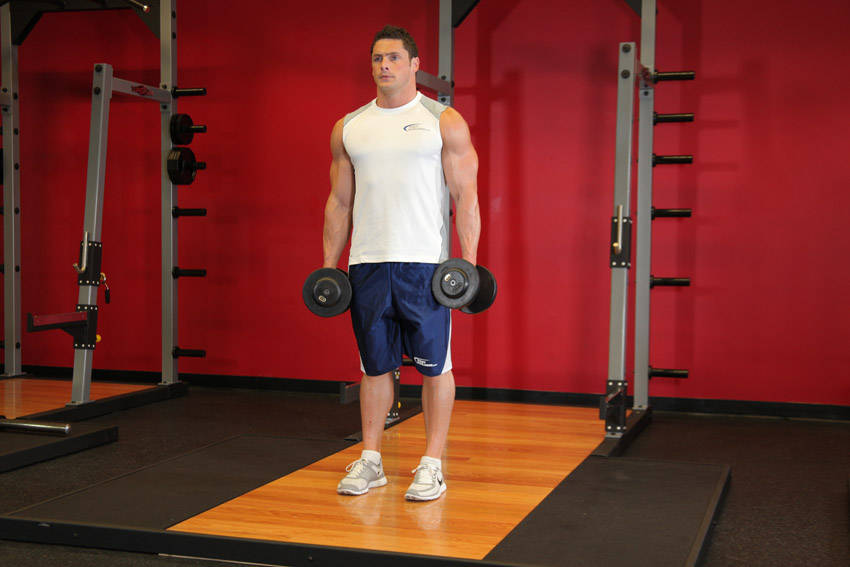
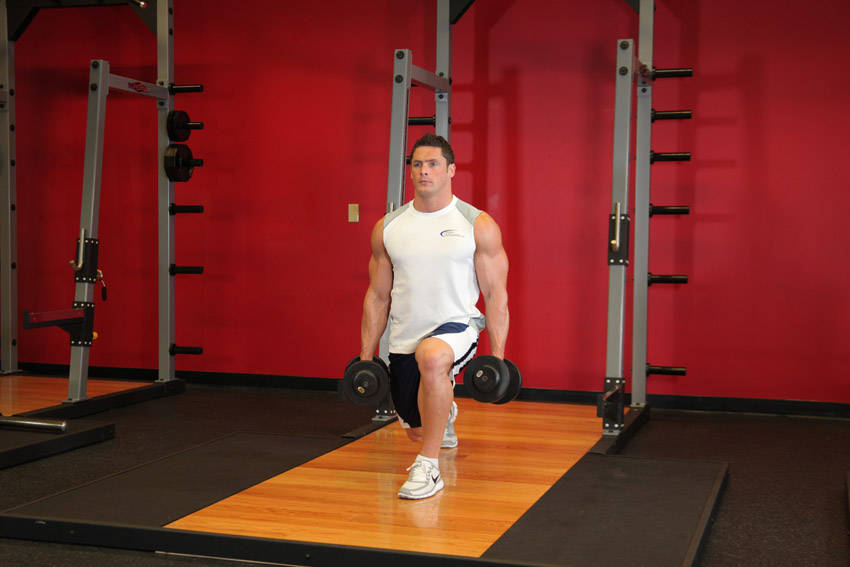
Illustration: Dumbbell Rear Lunge · closest available open illustration of the same or equivalent movement. Follow the written setup for this equipment variation.
Set up
- 1Clear a safe path for picking up and setting down the dumbbells.
- 2Use a controlled kick-up or a spotter for heavy pressing variations.
- 3Choose a step length and platform height that keep the working foot flat and the pelvis level.
- 4Use light support if balance would otherwise limit the target leg.
How to perform it
- 1Stand with your torso upright holding two dumbbells in your hands by your sides. This will be your starting position.
- 2Step backward with your right leg around two feet or so from the left foot and lower your upper body down, while keeping the torso upright and maintaining balance. Inhale as you go down. Tip: As in the other exercises, do not allow your knee to go forward beyond your toes as you come down, as this will put undue stress on the knee joint. Make sure that you keep your front shin perpendicular to the ground. Keep the torso upright during the lunge; flexible hip flexors are important. A long lunge emphasizes the Gluteus Maximus; a short lunge emphasizes Quadriceps.
- 3Push up and go back to the starting position as you exhale. Tip: Use the ball of your feet to push in order to accentuate the quadriceps. To focus on the glutes, press with your heels.
- 4Now repeat with the opposite leg.
Breathing
Inhale and brace before the lowering phase, then exhale gradually through the hardest part of the repetition without losing trunk position.
Technique cues
- •Front foot stays rooted
- •Drop down, not just backward
- •Keep hips square
Common mistakes
- •Pushing mostly from the rear leg
- •Losing balance to chase load
- •Letting the front knee cave inward
Machine busy?
See equivalent alternatives
These options train the same main muscle group and prioritize a similar movement pattern. Match the effort and rep target rather than trying to match the exact load.
Dumbbell
Safety note: This training reference is educational, not medical advice. Use pain-free ranges and seek qualified care for persistent pain, dizziness, or other concerning symptoms.