Reverse Curl
Reverse Curl is a isolation elbow flexion exercise for the biceps & forearms. Use a controlled range that keeps the target muscles loaded and the joints comfortable.
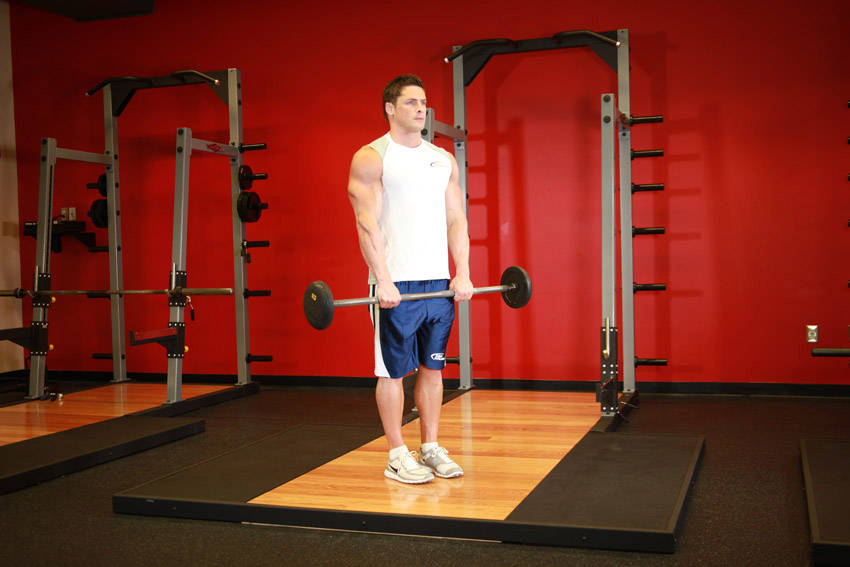
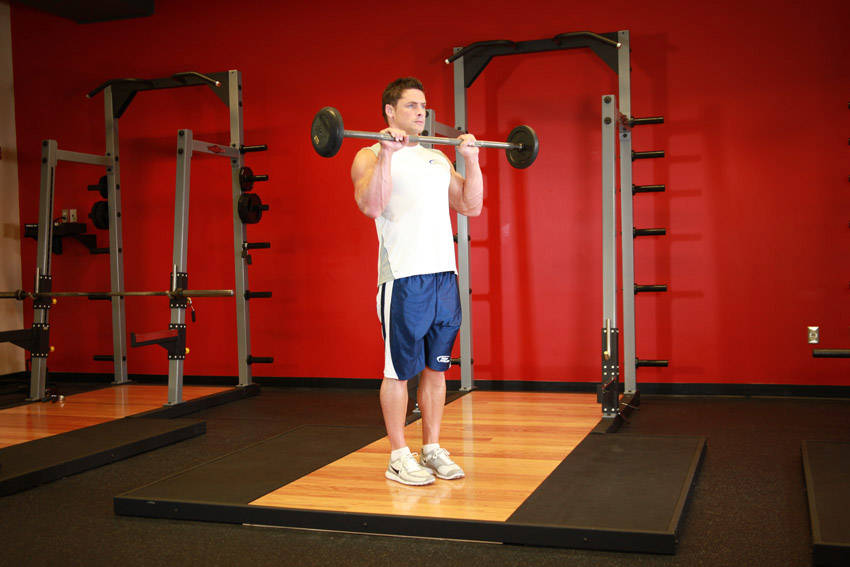
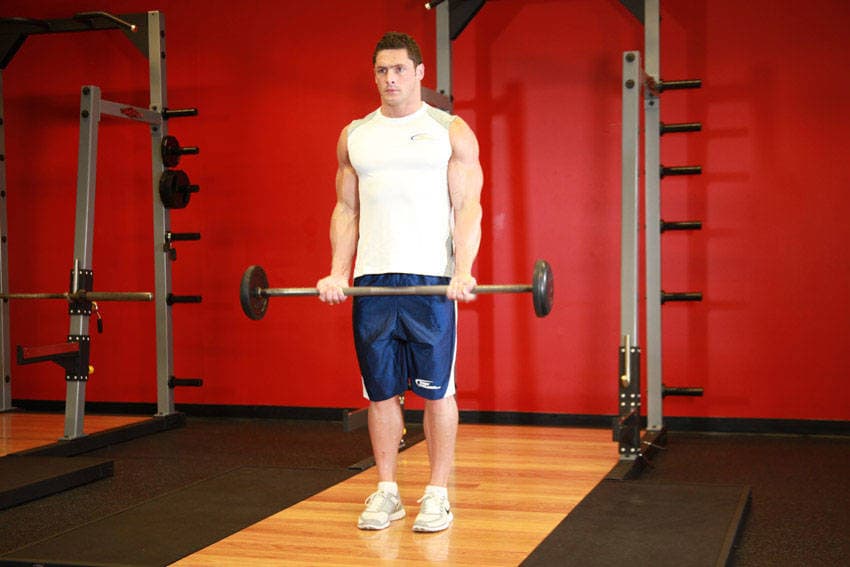
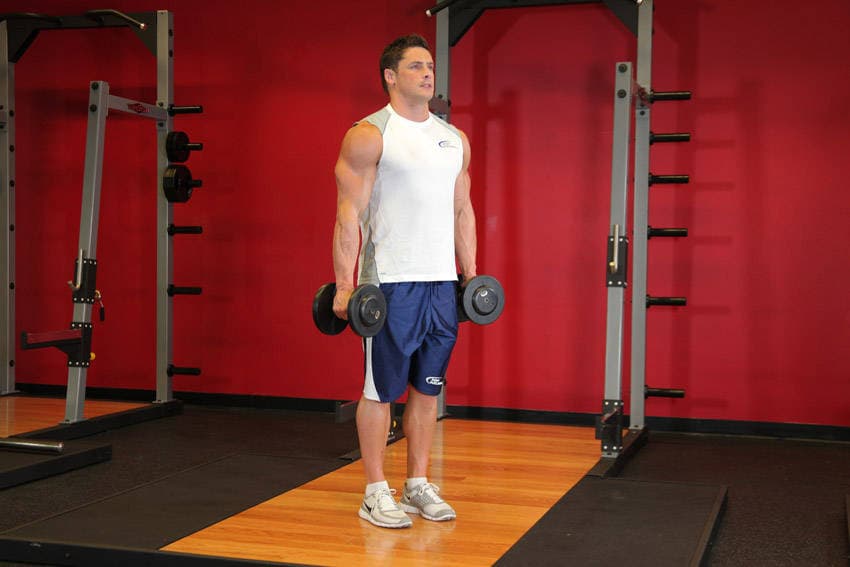
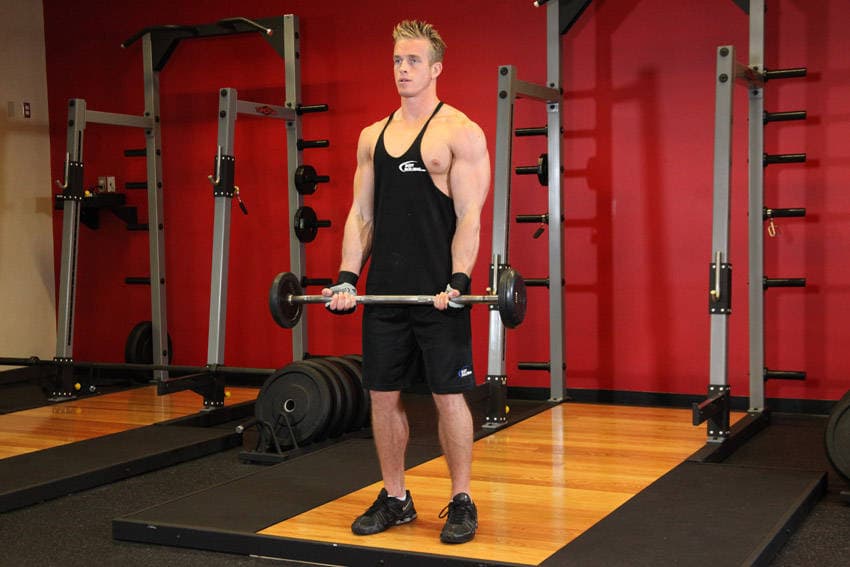
Illustration: Reverse Barbell Curl · closest available open illustration of the same or equivalent movement. Follow the written setup for this equipment variation.
Set up
- 1Set safeties just below the lowest controlled position.
- 2Center the plates and use collars where appropriate.
- 3Position the upper arms so the elbows can remain still and the biceps begin lengthened.
- 4Choose a handle and wrist angle that allow a full curl without bending the wrist.
How to perform it
- 1Stand up with your torso upright while holding a barbell at shoulder width with the elbows close to the torso. The palm of your hands should be facing down (pronated grip). This will be your starting position.
- 2While holding the upper arms stationary, curl the weights while contracting the biceps as you breathe out. Only the forearms should move. Continue the movement until your biceps are fully contracted and the bar is at shoulder level. Hold the contracted position for a second as you squeeze the muscle.
- 3Slowly begin to bring the bar back to starting position as your breathe in.
- 4Repeat for the recommended amount of repetitions.
Breathing
Exhale through the effort or shortened position; inhale during the controlled return. Keep the trunk quietly braced.
Technique cues
- •Upper arms stay quiet
- •Lead with the little-finger side for supinated curls
- •Lower slowly
Common mistakes
- •Swinging the hips
- •Letting elbows drift excessively
- •Bending the wrists to finish the rep
Machine busy?
See equivalent alternatives
These options train the same main muscle group and prioritize a similar movement pattern. Match the effort and rep target rather than trying to match the exact load.
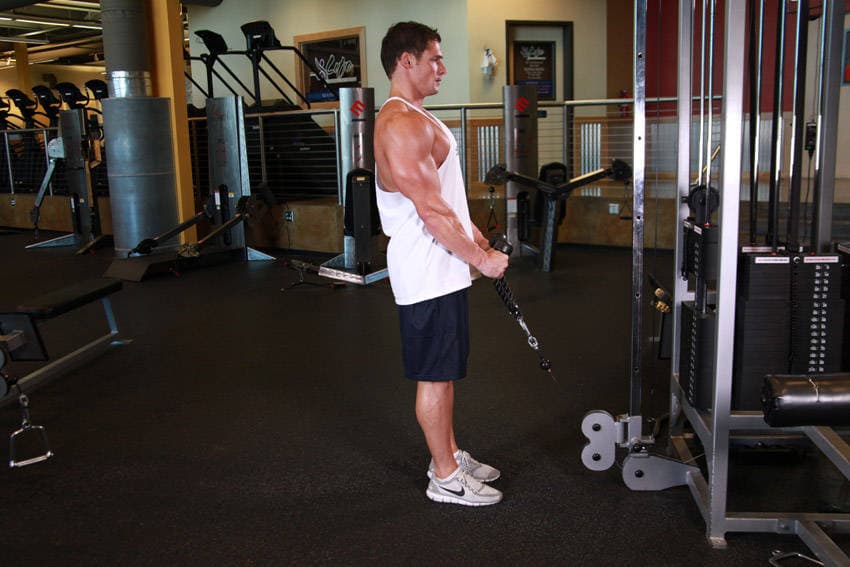
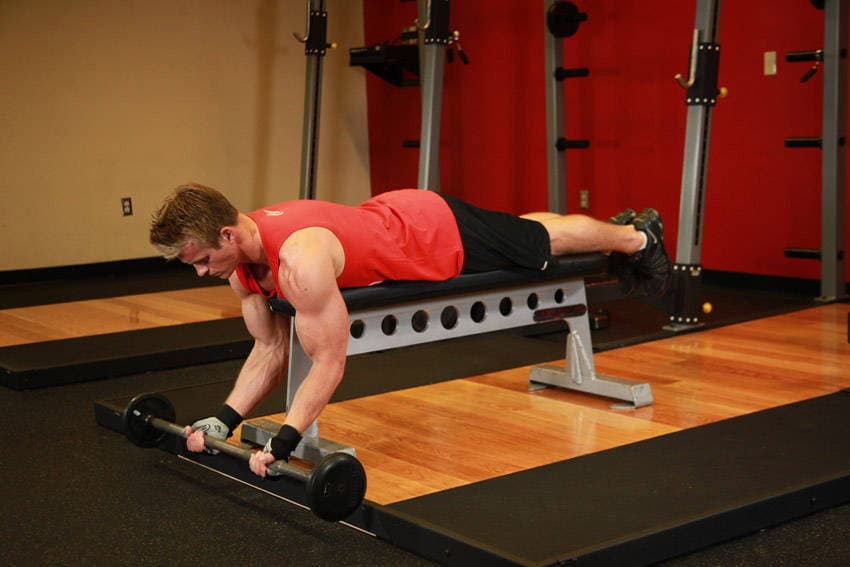
Safety note: This training reference is educational, not medical advice. Use pain-free ranges and seek qualified care for persistent pain, dizziness, or other concerning symptoms.