Chest-Supported Row Machine
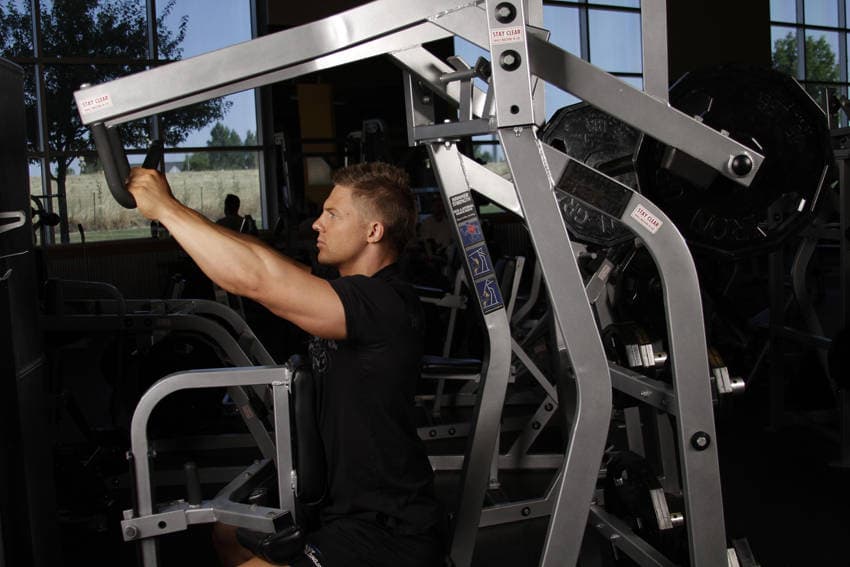
Chest-Supported Row Machine is a compound horizontal pull exercise for the back and lat musculature. Use a controlled range that keeps the target muscles loaded and the joints comfortable.
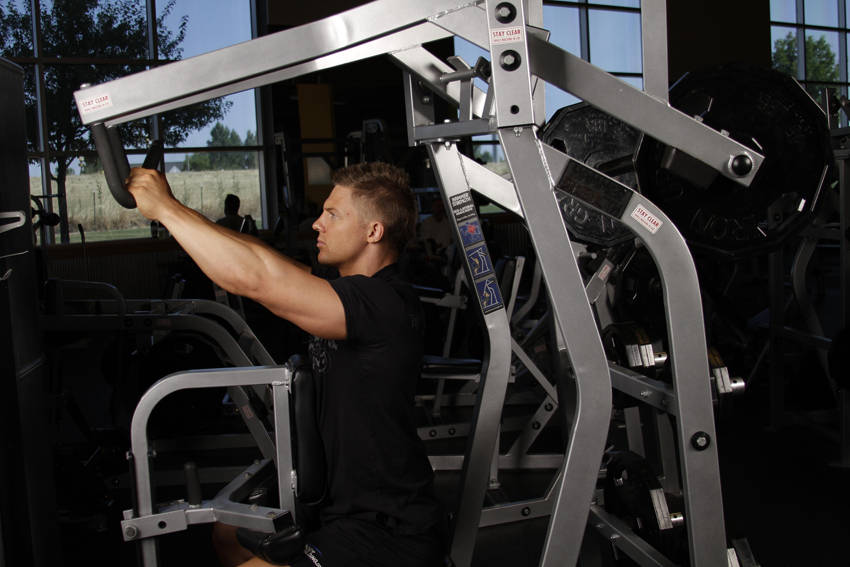
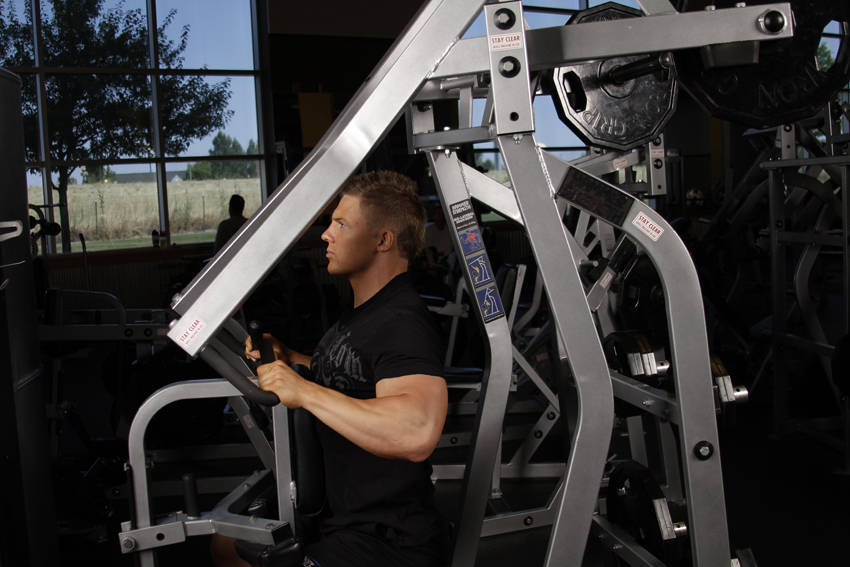
Illustration: Leverage High Row · closest available open illustration of the same or equivalent movement. Follow the written setup for this equipment variation.
Set up
- 1Adjust the seat and pads before loading the working weight.
- 2Match the machine pivot to the joint being trained whenever a pivot marker is present.
- 3Set the handle or chest pad so the arms can fully reach without the shoulders rolling forward.
- 4Brace the torso and choose an elbow path that points toward the intended part of the back.
How to perform it
- 1Load an appropriate weight onto the pins and adjust the seat height so that you can just reach the handles above you. Adjust the knee pad to help keep you down. Grasp the handles with a pronated grip. This will be your starting position.
- 2Pull the handles towards your torso, retracting your shoulder blades as you flex the elbow.
- 3Pause at the bottom of the motion, and then slowly return the handles to the starting position.
- 4For multiple repetitions, avoid completely returning the weight to the stops to keep tension on the muscles being worked.
Breathing
Inhale and brace before the lowering phase, then exhale gradually through the hardest part of the repetition without losing trunk position.
Technique cues
- •Stay in contact with the pads and keep the machine pivot aligned
- •Elbows drive; hands are hooks
- •Keep the neck long
- •Finish without leaning backward
Common mistakes
- •Using torso momentum
- •Pulling the shoulders toward the ears
- •Over-squeezing far behind the body
Machine busy?
See equivalent alternatives
These options train the same main muscle group and prioritize a similar movement pattern. Match the effort and rep target rather than trying to match the exact load.
Cable
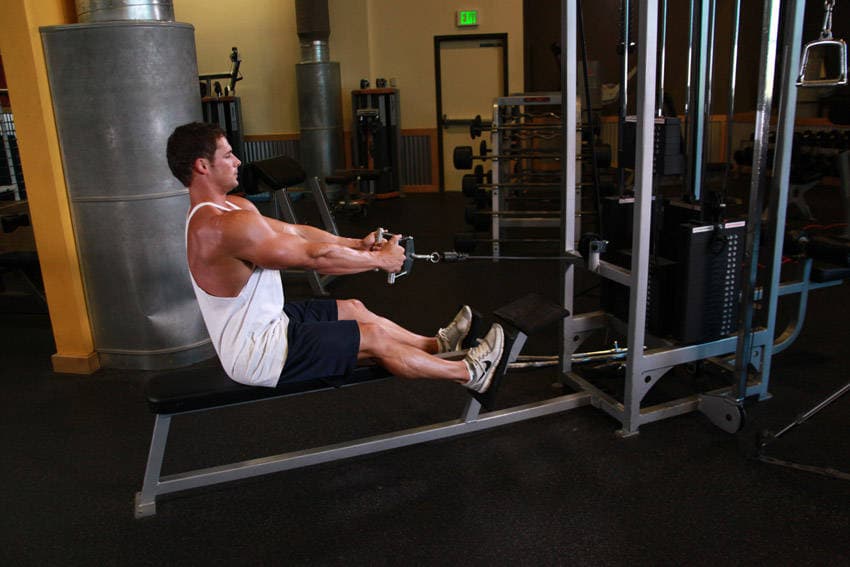
Plate-loaded
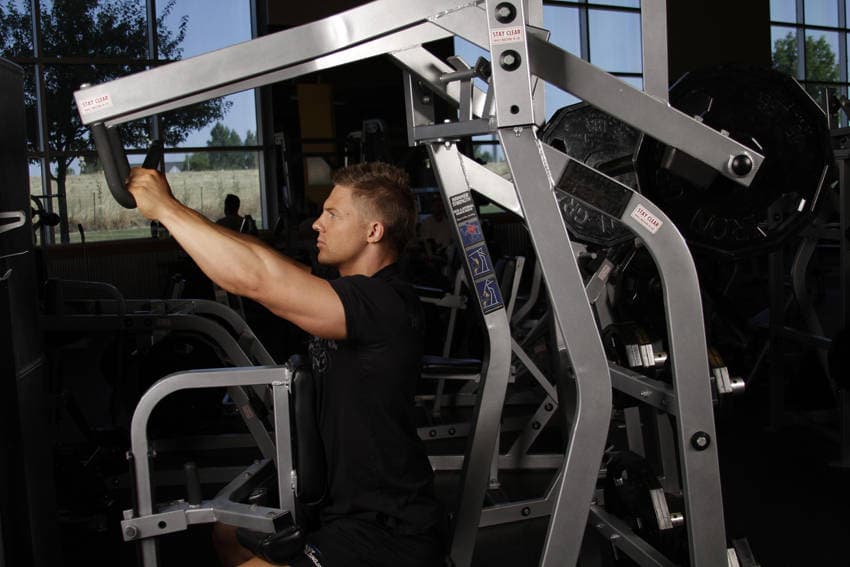
Landmine
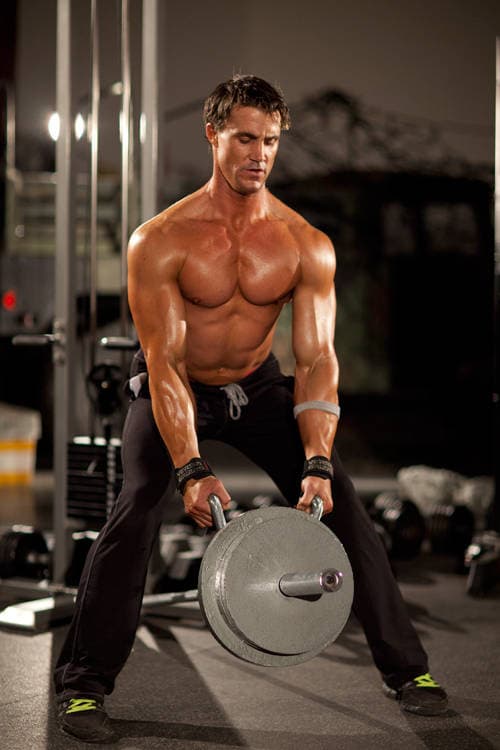
Dumbbell
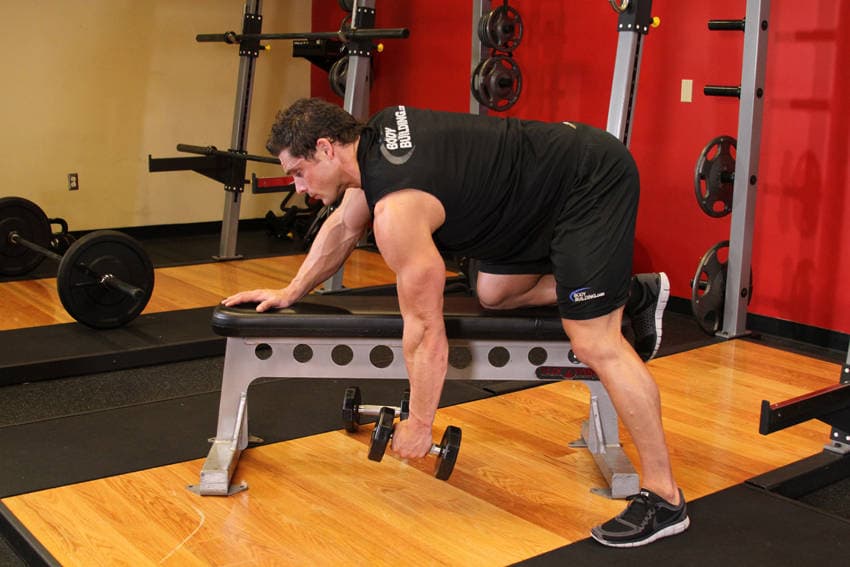
Barbell
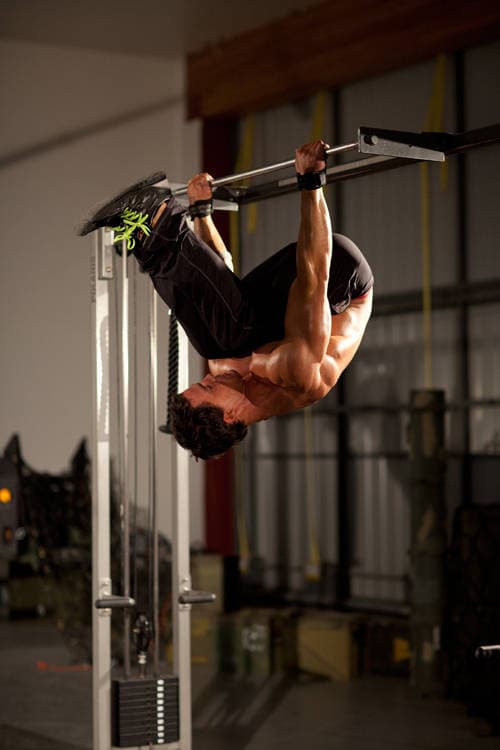
Machine
Safety note: This training reference is educational, not medical advice. Use pain-free ranges and seek qualified care for persistent pain, dizziness, or other concerning symptoms.